

1xBet Bonus Account Rules Explained for Nigerians
🎰 Discover how 1xBet bonus accounts work for Nigerian players 🇳🇬. Learn about qualification, wager rules, restrictions & tips to maximise your ₦ betting bonus today!
Edited By
Michael Enobong
Casino taxation in Nigeria operates under a specific set of rules and regulations designed to balance government revenue generation with the growth of the gaming industry. The sector is regulated primarily by the National Lottery Regulatory Commission (NLRC) and state governments, each imposing taxes on casino operators and sometimes on players.
The main types of taxes affecting casinos include gaming taxes, corporate taxes, and value-added tax (VAT). Gaming taxes are usually levied on the gross gaming revenue (GGR), which is the amount remaining after payouts to winners. For example, Lagos State imposes a gaming tax rate ranging between 10% and 20% on casino operators’ gross revenue, while other states may have slightly different rates.

Despite the promise of booming revenues, tax compliance remains a challenge in some regions due to fragmented enforcement and the informal nature of some betting activities.
Casinos must register with relevant tax authorities and submit timely returns. Failure to comply can result in hefty fines or licence suspension. Operators often face additional costs such as licence fees and mandatory reporting standards set by the NLRC.
For players, although winnings in land-based casinos are generally not taxed directly, online betting platforms may deduct withholding taxes before payouts. This means gamblers need to understand how taxes could affect their net returns.
Understanding these rules helps operators optimise operations and ensures players are better informed about their obligations. Observing compliance improves the sector’s transparency, encouraging investment and boosting government revenues.
Casino taxes in Nigeria include gaming tax, corporate tax, and VAT
State governments primarily control taxation rules
Tax rates vary between states, commonly 10–20% on gaming revenue
Compliance includes registration, returns submission, and payment of licence fees
Players might face withholding tax on online winnings
This framework shows how Nigeria is shaping its casino industry with modern tax policies while facing typical challenges seen in emerging markets.
Understanding how the casino industry is regulated in Nigeria sets the stage for grasping the taxation rules that apply. This regulation shapes how businesses operate and how taxes are collected, ensuring fairness and control within a sector often prone to misuse.
Several Nigerian laws govern gaming activities, providing a legal backbone for casinos and betting operations. The principal regulation is the Nigerian Gaming Act, supplemented by the National Lottery Act and other specific legislation tailored for gambling. These laws define what is legal, how casinos should be run, and outline penalties for breaches.
This framework is practical because it guides operators on acceptable practices and gives authorities tools to monitor and sanction illegal gambling. For example, if a casino offers unlicensed services, the operators can be prosecuted or fined under these laws.
The National Lottery Regulatory Commission (NLRC) plays a central role in overseeing gaming activities nationwide. It issues licences, monitors compliance, and enforces relevant regulations. This means any casino or betting company must register with the NLRC before operating legally.
As an example, the NLRC’s enforcement actions include shutting down illegal gaming outlets or revoking licences of non-compliant operators, which helps maintain confidence in the gambling sector.
Gaming laws also vary across Nigeria’s 36 states, reflecting regional differences and preferences. Some states may impose additional rules or taxes on casinos within their borders, leading to a patchwork of regulatory environments.
For instance, Lagos State might have stricter licensing conditions or higher tax rates than Rivers State. This variation affects where operators choose to invest and how they plan their business.
To start a casino business in Nigeria, applicants must navigate a detailed licence application process. This involves submitting business plans, proving financial standing, and demonstrating technical capability. The process ensures only serious and capable operators enter the market.
Licensing helps curb fly-by-night operators who might cause fraud or evade taxes. It also reassures players that they’re engaging with approved, regulated entities.
After obtaining a licence, casinos must meet ongoing conditions and pass compliance checks. These include regular financial audits, proper record-keeping, and maintaining fair play standards. Regulators may inspect premises or review reports to verify adherence.
Complying with these conditions reduces risks of penalties and helps casinos build a reputable brand. For example, a compliant casino is more likely to attract customers wary of scams.
Licence renewal is periodic, requiring operators to apply again and demonstrate continued compliance. Failure to renew or breaches during operation lead to penalties such as fines, suspension, or revocation.
Such strict enforcement encourages operators to meet tax obligations promptly and avoid illegal activities. A casino caught evading taxes risks losing its licence, which could cost millions in lost revenue and reputation.
In Nigeria’s casino sector, regulation and licensing are foundational. They ensure operators play by the rules, support tax collection, and protect players, creating a more transparent and accountable industry.
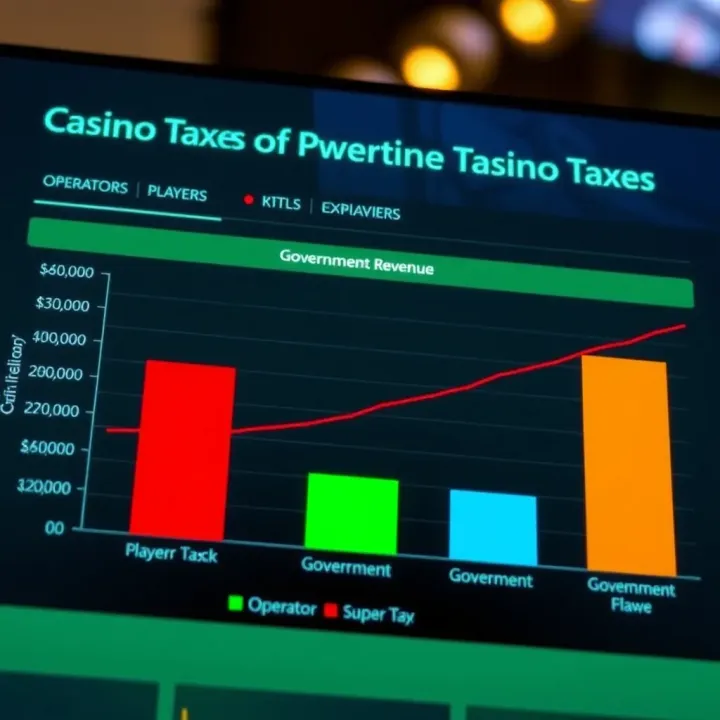
Casinos in Nigeria face several types of taxes that crucially shape their business operations and profitability. Understanding these taxes helps both operators and players grasp the financial landscape of the gaming sector. This section discusses the main categories of taxes applied to casinos, highlighting practical elements vital to navigating compliance and financial planning.
Gaming tax is primarily charged as a percentage of the gross gaming revenue (GGR), which is the total amount wagered minus winnings paid out to players. In Nigeria, tax rates on GGR typically range between 5% to 20%, depending on the type of game and state regulations. For example, Lagos State may impose a 10% gaming tax, while other states could have different rates within this bracket.
The distinction between poker, slot machines, and sports betting affects the applicable gaming tax rate. Sports betting operators often face different tax regimes compared to traditional casino games. Slots and pokies might attract one fixed tax rate, while poker or sports betting could have another. This segmentation acknowledges differences in risk, popularity, and player turnover rates across games.
Gaming tax directly impacts casino revenue. Since this tax is levied on gross revenue before deducting operating expenses, high tax rates can squeeze profit margins, especially for startups with tight budgets. Established casinos may manage this with volume and efficiency, but smaller operators might feel the pinch, potentially hindering expansion or innovation.
VAT at the standard Nigerian rate of 7.5% applies to casino services such as entry fees, hospitality, and sometimes licensing costs. This tax is collected to the Federal Inland Revenue Service (FIRS) and adds a layer of indirect taxation beyond gaming tax. For operators, this means VAT must be collected from customers where applicable and remitted promptly.
Casinos also contend with levies from local governments, including property rates, signage fees, and business permit taxes. These additional charges vary between states and local government areas, and failure to comply can attract heavy fines. For instance, a casino operating in Abuja may pay different local taxes compared to one in Port Harcourt.
The tax treatment of player winnings and payouts is nuanced. While winnings are usually not directly taxed by the government, the casino often withholds tax on large payouts to players under specific circumstances. This withholding ensures revenue authorities capture some proceeds without burdening players with filing tax returns on gambling income.
Understanding these tax layers helps casino operators plan their pricing and business structure effectively. Players too benefit from knowing how taxes might affect their winnings and game choices.
In summary, the array of taxes on casinos in Nigeria — from gaming tax through VAT and local levies — requires careful management. Operators need to factor these costs into their strategies, while players should be aware of how taxation can affect their overall experience. Being informed on these points makes dealing with Nigeria’s gaming environment more transparent and less daunting.
Casino taxation in Nigeria carries significant consequences for both business operators and players, shaping the industry landscape and gambling culture. Understanding these impacts helps stakeholders anticipate challenges and make informed decisions.
Startups and established casinos face considerable costs from taxation, which can influence their profitability and sustainability. For example, a new casino in Lagos might have to pay a gaming tax pegged at around 10% of gross gaming revenue, along with value-added tax (VAT) and local levies. Such expenses can squeeze smaller operators’ cash flow, making it hard to cover operational costs like rent, staff salaries, and security without relying heavily on customer volume.
Established businesses feel this tax burden too, but they often have more resources to absorb it. However, rising tax obligations can limit their ability to reinvest profits into upgrading facilities, adopting new technologies, or expanding to other states.
Tax rates also impact investment decisions seriously. If the taxation level is perceived as too high, investors might hold back on funding new casinos or expanding existing ones. For instance, a foreign investor considering a casino in Abuja might compare Nigeria’s tax regime with other West African countries less heavy on gaming taxes and choose the latter.
This reluctance can slow industry growth and reduce employment opportunities. On the flip side, reasonable tax rates create a balance where businesses thrive and the government gains revenue, encouraging further investment.
Players in Nigeria are directly affected by taxes imposed on their winnings. While the government taxes operators on gaming revenue, some states also apply withholding taxes on large payouts. This reduces net earnings for players, which may discourage big bets or frequent play.
Such direct taxation affects gambling habits. Some players may reduce their participation or switch to informal betting markets that evade taxation, risking unregulated environments with less protection. For instance, a bettor in Onitsha might avoid taxed casinos to join underground pools with no tax deductions, even though this exposes them to greater fraud risks.
Furthermore, tax-related price adjustments on casino services—like higher minimum bets or entry fees due to increased costs—can shift player preferences. Mobile betting platforms offering tax-efficient services may attract more users, challenging traditional casinos to adapt.
Tax policies need careful calibration to avoid pushing players and operators away from the formal sector, which ensures consumer protection and government revenue.
Overall, casino taxes shape not just government earnings but also industry health and player engagement. Striking the right balance benefits everyone involved.
Casino taxation offers a steady source of government revenue in Nigeria, supporting public services at both federal and state levels. Over recent years, revenue collection from casinos has steadily increased, reflecting growth in the gaming sector and wider economic activity. For instance, data from regulatory authorities indicate that gross tax revenues from casinos increased by nearly 20% between 2018 and 2022, a sign of improved compliance and expanding patronage.
This upward trend is particularly relevant for budget planners and policymakers. Reliable revenue from gaming taxes helps diversify government income sources beyond oil and conventional taxes. It enables more funds for infrastructure, education, and health projects, especially in states hosting large casino hubs such as Lagos and Abuja.
Casino tax revenue is shared between the federal government and state governments, with the distribution formula varying depending on the licensing jurisdiction and local laws. Generally, states receive a significant share because they regulate many aspects of gaming operations and provide security and services to support them.
For example, Lagos State currently collects around 40% of casino gaming taxes generated within its borders to fund local development projects. The federal government takes the remaining portion, often directing it into national economic programmes. This dual allocation encourages states to attract casino businesses while ensuring the federal treasury benefits to support national priorities.
Such arrangements create a clearer fiscal benefit for local communities, ensuring that casino-generated funds contribute to state-level needs like road maintenance, tourism promotion, and employment support.
Casinos can boost local economies by creating jobs directly in gaming operations and indirectly through related sectors such as hospitality and retail. Lagos, for instance, has seen the rise of numerous hotels and entertainment centres thriving alongside casino establishments, providing thousands of new jobs.
Tourism also benefits as high-spending visitors are drawn to urban centres with quality casino facilities. This additional inflow helps diversify sources of foreign exchange and supports local artisans, transport providers, and food vendors (mama puts).
However, high tax rates or restrictive regulations may push gamers and operators toward informal or illegal gambling. Such markets evade tax collection and lack consumer protections, posing social and law enforcement challenges.
The government must vigilantly monitor underground betting dens and unregistered online platforms that proliferate in less regulated states or rural areas. Addressing these risks requires a balance between firm enforcement and offering a fair, competitive environment for licensed operators.
Setting tax rates too high risks dampening legal casino activity, while too low rates reduce government revenue potential. Policymakers need to find the sweet spot that keeps operators profitable yet contributes proportionally to public coffers.
Practical steps include offering tax incentives for investment in underserved regions or digital systems that make payment processes smoother and less prone to evasion. Clear communication between tax authorities and industry players can enhance transparency, leading to better compliance and stable revenue growth.
Effective casino taxation in Nigeria not only supplements government budgets but also shapes the economic landscape, influencing jobs, tourism, and social welfare.
Balancing these factors thoughtfully ensures that casino taxes benefit everyone — from the governments relying on funds, to operators wanting fairness, to players seeking vibrant, safe gaming experiences.
Maintaining tax compliance within Nigeria's casino industry is essential for sustaining government revenue and fostering a fair business environment. Without effective enforcement, operators may under-report income or evade taxes, leading to revenue losses and unfair competition. Addressing compliance challenges helps build trust between casinos, regulators, and players, reinforcing the sector’s legitimacy.
Tax collection systems and reporting requirements play a vital role in tracking casino revenues accurately. Casinos are required to submit detailed financial reports regularly, outlining gross gaming revenue and other taxable income streams. These reports must follow guidelines set by tax authorities, ensuring transparency and facilitating proper assessments. For instance, casinos using electronic gaming machines and digital platforms often generate automatic transaction logs, which regulators cross-check against declared taxes.
The role of law enforcement and regulatory bodies complements tax collection efforts. Agencies such as the Federal Inland Revenue Service (FIRS) and state tax authorities work alongside the National Lottery Regulatory Commission to carry out audits, inspections, and investigations. This joint effort deters tax evasion and illegal gambling activities. Law enforcement can also shut down unlicensed operators, which helps protect compliant businesses and promotes a level playing field.
One significant problem is under-reporting and tax evasion attempts where operators deliberately declare lower revenues to reduce tax liabilities. Such actions distort market competition and reduce funds available for public services. In some cases, casinos may manipulate transaction records or delay reporting. This under-reporting is particularly prevalent in smaller establishments that lack sophisticated accounting systems.
Challenges with online and mobile gambling platforms have added complexity to compliance. The digital nature of these platforms enables players and operators to bypass traditional monitoring channels. Without proper regulation and oversight, it is difficult to track winnings, losses, and tax obligations on these platforms. This gap creates increased opportunities for tax evasion and demand for innovative enforcement technologies.
Penalties exist to discourage non-compliance and include fines, license suspension, or even criminal charges. The penalties and legal consequences serve as strong deterrents. Operators found guilty of tax evasion can face hefty fines that may amount to several millions of naira, plus revocation of their operating licence. These measures protect both government revenue and consumers by encouraging lawful conduct.
Offering incentives for timely payment encourages casino operators to meet tax obligations promptly. These incentives might include reduced fines for early payment, access to simplified reporting systems, or prioritised support from tax agencies. Such incentives have helped similar sectors in Nigeria and create goodwill between regulators and operators.
Promoting increased transparency and digital record-keeping is crucial. Encouraging casinos to adopt digital bookkeeping tools improves accuracy and enables easier audits. For example, electronic point-of-sale systems linked to tax authorities can reduce manual errors and fraud risks. Transparency builds confidence among stakeholders and simplifies dispute resolution.
Finally, collaboration between tax authorities and industry players fosters a cooperative environment. Regular dialogues, workshops, and training sessions keep both sides updated on regulation changes and compliance best practices. This partnership can also develop tailored solutions for emerging challenges, especially in technology-driven gambling platforms. Together, they can standardise procedures that balance government needs with business viability.
Effective tax compliance in Nigeria's casino sector depends on clear monitoring, strong enforcement, and close cooperation between regulators and operators, securing revenue and promoting a fair market for all.
🎰 Discover how 1xBet bonus accounts work for Nigerian players 🇳🇬. Learn about qualification, wager rules, restrictions & tips to maximise your ₦ betting bonus today!

🔍 Discover trusted real money casinos in Nigeria 🇳🇬, learn top games, secure payment methods, and follow smart, responsible gambling tips to enjoy safe play with your ₦!

🏆 Discover top UFC betting sites in Nigeria 🇳🇬, payment options, legal tips & fight analysis strategies to boost your odds. Bet smart, win big, manage risks effectively!

📊 Understand how in play betting works live in Nigeria, popular platforms, legal tips, smart strategies, and risks to bet safely and increase your chances to win ₦️!
Based on 15 reviews